Terceira
UNESCO heritage, caves, and sea trips from Angra.
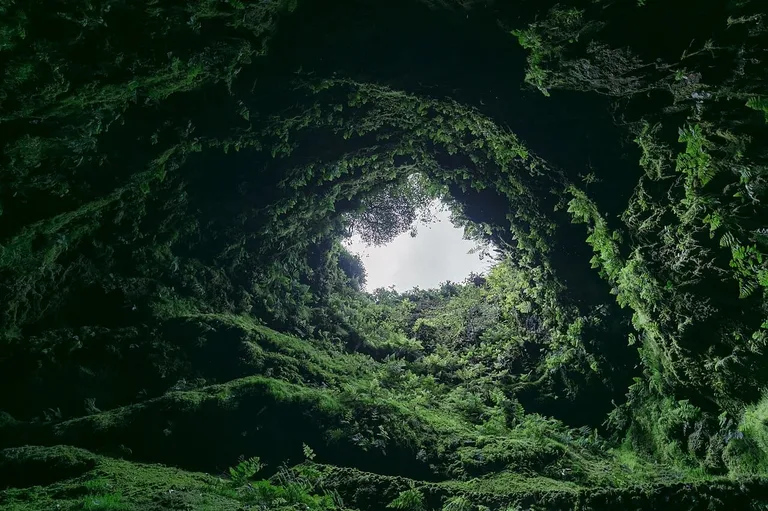
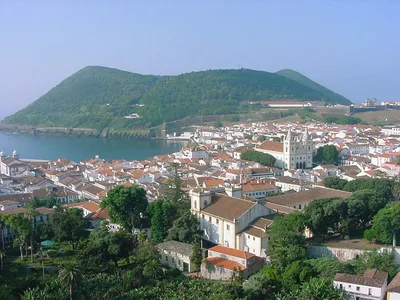
Terceira balances history, geology, and everyday island life better than almost anywhere in the Azores. Its capital, Angra do Heroísmo, is a UNESCO World Heritage city shaped by Atlantic trade routes, military fortifications, churches, and colourful streets that still feel lived-in rather than preserved behind glass. Inland, Algar do Carvão drops visitors into a volcanic chimney lined with ferns, mineral formations, and an underground lake, while nearby Furnas do Enxofre reminds you that the island is still geologically alive. On the north coast, Biscoitos natural pools cut into dark lava and fill with clear seawater on calm days. Terceira is also a social island, famous for summer festivals, music, food, and the Tourada à Corda tradition in village streets. Boat trips from Angra, highland walks around Serra de Santa Bárbara, cave visits, and coastal viewpoints make it a varied destination for travellers who want culture and nature in the same day.
Why visit Terceira?
- Angra do Heroísmo UNESCO World Heritage city
- Algar do Carvão volcanic chimney and underground lake
- Biscoitos lava pools on the north coast
- Serra de Santa Bárbara highland views and native vegetation
- Summer festivals, food, music, and Tourada à Corda tradition
- Whale watching and coastal boat trips from Angra
Best time to visit: May to September is best for festivals, swimming, and boat trips. Spring and autumn suit culture-focused visits with fewer crowds.
Practical tips for Terceira
Check Algar do Carvão opening hours
The cave does not always run full-day hours, so confirm times before crossing the island.
Stay in Angra for walking access
Angra gives you restaurants, heritage streets, the marina, and easy tour pickup points without needing to drive at night.
Bring water shoes for Biscoitos
The lava pools are beautiful but uneven underfoot, especially around entry points and wet rock.
Terceira in pictures

Places to explore on Terceira
Angra do Heroísmo
UNESCO city with forts, churches, plazas, restaurants, and a working marina.
Algar do Carvão
Volcanic chimney and cave with rare formations and an underground lake.
Biscoitos
Natural lava pools and north-coast swimming area.
Serra de Santa Bárbara
Highland viewpoint and protected native vegetation zone.
Praia da Vitória
Beachfront town, marina, and practical base near the airport.
Frequently asked questions about Terceira
What is Angra do Heroísmo known for?
Do I need tickets for Algar do Carvão?
Can I swim in Biscoitos?
Is Terceira good without a car?
Tours & activities on Terceira
Terceira combines remarkable cultural heritage with volcanic landscapes that are among the most distinctive in the archipelago. Guided walking tours through Angra do Heroísmo start in the UNESCO-listed harbour and work through centuries of Atlantic history — Baroque churches, the imposing São João Baptista fortification, tile-fronted manor houses, and the central garden squares that define the city's unhurried character. The underground contrast is equally compelling: Algar do Carvão is a volcanic chimney descended sixty metres by a narrow staircase, opening into a cathedral-like cavern with silica crystal formations and an underground lake at the bottom. Combined in a single day with the nearby Biscoitos lava pools on the north coast — where swimming is calm and the natural basalt formations are striking at any tide — the tour gives you the full spectrum of Terceira's natural character. On the water, whale and dolphin watching tours from Angra do Heroísmo marina offer some of the best combined experiences in the archipelago: the same trip that passes Ilhéus das Cabras islet often stops for snorkelling in the protected waters around the islet, packing two activities into one outing. For those interested in the island's summer festival calendar, guided cultural tours during the Tourada à Corda season add a uniquely Azorean social dimension to the usual sightseeing circuit.
What you can book
- Angra do Heroísmo UNESCO walking tours — 500 years of Atlantic city history
- Algar do Carvão volcanic chimney and underground lake
- Whale watching and Ilhéus das Cabras snorkelling combined
- Biscoitos lava pool swimming on the north coast
- Tourada à Corda cultural experiences during summer season
- Serra de Santa Bárbara nature walks in endemic highland forest