Pico
Mountain climbs, volcanic wine, lava tubes, and whale watching.
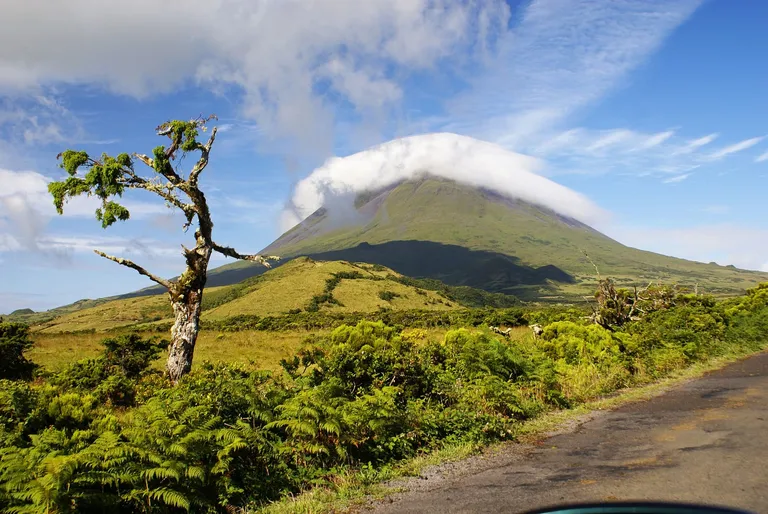
Pico is dominated by the volcanic cone that gives the island its name. Mount Pico rises to 2,351 metres, the highest point in Portugal, and shapes almost every view, road, and weather decision on the island. The summit climb is the headline experience, but Pico is more than a mountain. Along the western coast, black lava walls protect tiny vineyard plots that form a UNESCO World Heritage landscape and produce distinctive Verdelho wine. Lajes do Pico keeps the memory of whaling alive while serving as one of the strongest whale watching bases in the Azores, especially for sperm whales. Underground, Gruta das Torres reveals the island's volcanic structure through a long lava tube. Around Madalena, natural swimming areas, ferry links to Faial, and sunset views over the channel create a practical base for travellers who want both adventure and downtime. Pico is best for active visitors who enjoy geology, marine wildlife, wine, and landscapes that feel elemental.
Why visit Pico?
- Mount Pico summit climb, Portugal's highest point
- UNESCO-listed lava vineyard landscape near Criação Velha
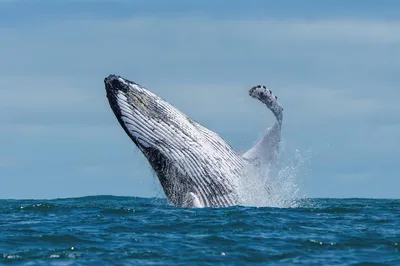
- Whale watching from Lajes do Pico and Madalena
- Gruta das Torres lava tube and volcanic geology tours
- Natural swimming pools along black lava coastline
- Short ferry connection to Faial from Madalena
Best time to visit: June to September is best for summit conditions, wine landscapes, and calmer seas. Spring and autumn are quieter but require more weather flexibility.
Practical tips for Pico
Reserve the summit with a certified guide
The climb is physically demanding, weather-dependent, and regulated. Book early if you want a sunrise ascent.
Stay near Madalena for ferry flexibility
Madalena works well for wine visits, natural pools, restaurants, and quick crossings to Faial.
Keep one spare day for mountain weather
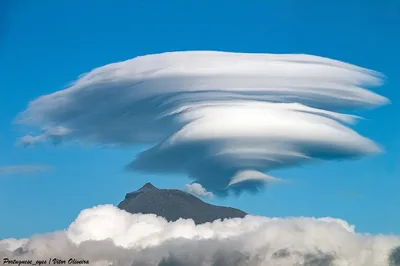
Cloud, wind, and rain can close the summit even in summer, so avoid scheduling the climb on your final day.
Pico in pictures
Places to explore on Pico
Mount Pico
Portugal's highest peak and the island's most demanding guided hike.
Criação Velha Vineyards
UNESCO lava-walled vineyard landscape near Madalena.
Lajes do Pico
Whale watching harbour and home to the Whalers Museum.
Gruta das Torres
Accessible lava tube showing the island's volcanic interior.
Madalena
Main ferry port, sunset base, restaurants, and views across to Faial.
Frequently asked questions about Pico
Can anyone climb Mount Pico?
Where should I stay on Pico?
What makes Pico wine special?
Can I visit Faial from Pico?
Tours & activities on Pico
Pico delivers four completely distinct bucket-list experiences in a compact island — and every one of them requires a local guide who knows the terrain. The Mount Pico summit climb is the centrepiece: a demanding 9-hour round trip that begins before dawn, gains over 2,000 metres through altitude-zone vegetation, and ends above the clouds with views stretching across the Central Group on clear days. Certified guides are mandatory, and the season runs June through September when trail conditions are safe. At sea level, the waters around Pico hold resident sperm whales year-round — making Lajes do Pico one of the most consistent whale-watching departure points in the Azores. Tours from here use traditional vigia lookout posts on hilltops to spot animals before departure, giving them some of the highest sighting rates in the archipelago. The UNESCO-listed Criação Velha vineyard landscape on the island's southern coast is a world apart: centuries of black lava walls enclose tiny plots where Verdelho grapes grow directly above the Atlantic, and tastings at local wineries are an essential afternoon. Underground, the Gruta das Torres lava tube extends deep below the surface in total darkness, accessible with a short guided tour that explains Pico's volcanic geology in vivid detail.
What you can book
- Mount Pico guided summit climb — Portugal's highest peak at 2,351 m
- Sperm whale watching year-round from Lajes do Pico
- UNESCO Criação Velha vineyard tastings on the south coast
- Gruta das Torres lava tube guided exploration
- Sea kayaking along dramatic black lava coastline
- Whalers Museum in Lajes do Pico — 200 years of seafaring history